Emergency water shutoff and source control
We help identify where the water is coming from and what needs to be isolated so the damage does not continue while mitigation is underway.
Serving Los Angeles, California & surrounding areas
When water is spreading, minutes matter. Get rapid on-site help for extraction, drying, and restoration with clear communication from the first inspection through the final rebuild-ready handoff.
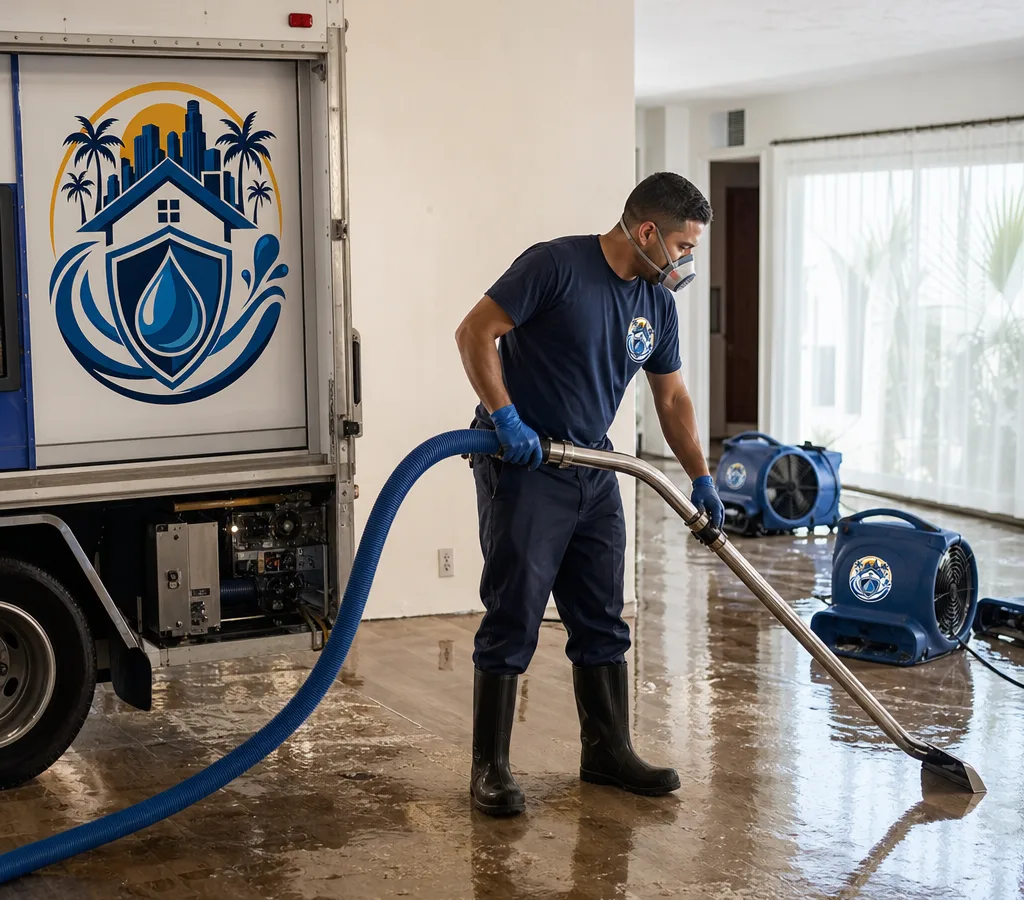
If you are searching for 24/7 water damage restoration Los Angeles, you are usually dealing with an active leak, a sudden overflow, or water that has already moved into walls and floors. Water Damage Los Angeles CA responds around the clock across Los Angeles to stop the spread, remove water, dry the structure, and document conditions so the next steps are straightforward.
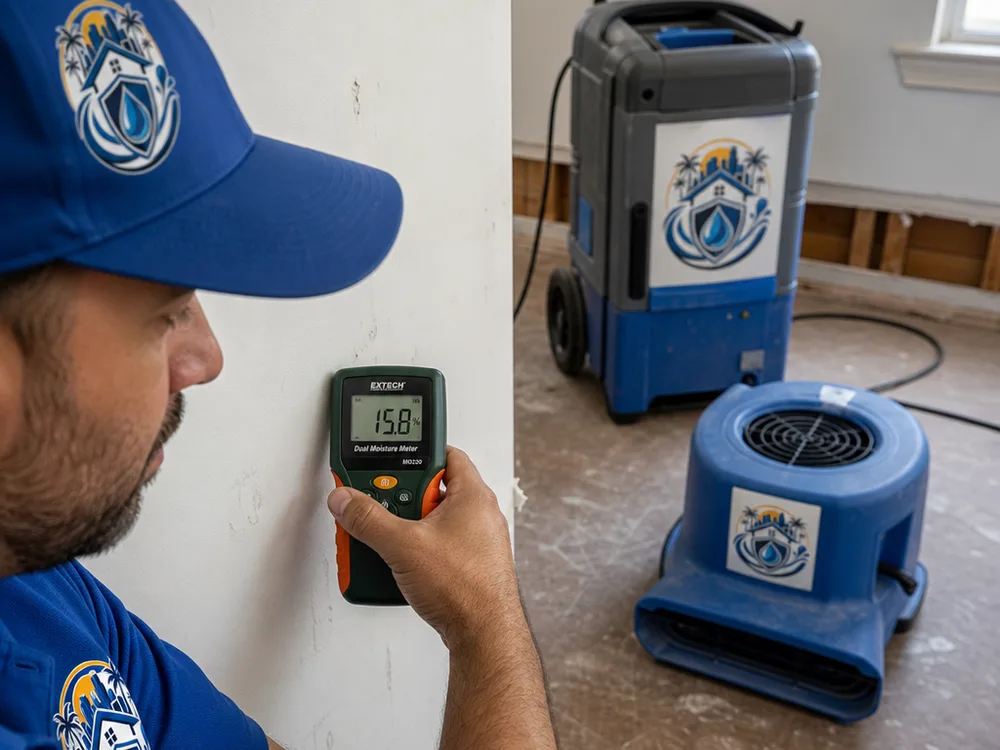
Our approach is built around what actually controls outcome after a water loss: source control, thorough extraction, measured drying, and the right level of removal when materials cannot be dried safely. We use moisture mapping, including pin and pinless readings where appropriate, targeted removal of affected building materials, and commercial drying equipment. You get a written scope, daily progress notes when needed, and a clear plan for repairs once the space is dry.
Los Angeles properties often mix older plaster walls and original hardwood with newer laminate, engineered flooring, and modern cabinetry. Each material dries differently and reacts differently to water. We adjust the drying plan to the structure, not a one-size checklist.
We help identify where the water is coming from and what needs to be isolated so the damage does not continue while mitigation is underway.
Standing water is extracted first, then we remove materials that trap moisture or cannot be dried within a safe timeframe, such as soaked pad, swollen baseboard, or delaminated flooring.
Air movers and dehumidifiers are placed based on moisture readings and room conditions. We track drying progress and adjust equipment instead of guessing.
For dirty water events or when contamination is possible, we use appropriate containment, cleaning, and disposal practices based on the condition on site.
Photos, moisture logs, and scope notes support informed decisions and help keep restoration moving without avoidable delays.
Once dry targets are met, we outline what comes next, what materials were removed, and what repairs are typically required to return the space to normal use.
Water does not stay in the room where it started. It travels under flooring, wicks into drywall, and can saturate insulation and framing. In many Los Angeles homes and small commercial spaces, layered assemblies such as tile over backer, floating floors, and built-in cabinetry create hidden voids where moisture lingers if drying is not planned and verified.
A few local realities change how we approach mitigation:
If you are dealing with an active situation, the first goal is simple: stop additional wetting, extract what is accessible, then open what needs to be opened so drying can be verified rather than assumed.
A measured sequence controls ongoing damage, identifies hidden moisture, and prepares the property for repairs without relying on guesswork.
We assess hazards first, including electrical concerns, slip risks, and ceiling bulges, identify the water source, and set the immediate plan to prevent further spread.
We take moisture readings to outline affected materials and likely migration paths. You get a clear scope before major removal starts.
We extract standing water and remove materials that cannot be dried or that block drying. Depending on saturation, this can include baseboards, sections of drywall, or flooring.
We set air movement and dehumidification based on the structure and conditions on site. Readings track progress over time, and equipment is adjusted as targets are reached.
When conditions require it, we clean affected surfaces, address odors at the source, and apply stabilization steps suited to the type of water event and materials involved.
We confirm dry goals, document results, and outline the next repair steps so the property can move to restoration work without lingering moisture.
24/7 water damage restoration in Los Angeles typically ranges from about $1,500 to $6,000 for many residential losses, while large losses with extensive removal and drying can run $10,000+ depending on scope. A small, contained cleanup with limited drying is often on the low end, while multi-room saturation, affected cabinetry, or water that traveled between levels drives the higher end.
Final price depends on how far water migrated, the category of water, what materials must be removed, access such as stairs, parking, and multi-unit rules, and how many days of monitored drying are required. The exact cost is confirmed after an on-site inspection and moisture mapping.
Response time depends on where you are in Los Angeles and current conditions, but the goal is to get someone out as quickly as possible because extraction and drying are time-sensitive. When you reach out, share whether the water source is still active, which rooms are affected, and whether the property is a single-family home or a multi-unit building so we can plan access and equipment needs.
Stop the water at the closest safe shutoff and keep electricity away from wet areas, especially where water is near outlets, lights, or a panel. If it is safe, move small items off wet flooring and blot or extract what you can without spreading water into new rooms. Avoid running household fans in contaminated water situations and avoid lifting flooring unless advised, because partial removal can trap moisture or cause additional damage.
Yes, we provide 24/7 water damage restoration for residential and commercial properties in Los Angeles, including apartments, retail spaces, offices, and mixed-use buildings. Commercial jobs often need tighter containment, after-hours scheduling, and clear daily documentation so tenants and operations can plan around drying equipment and access restrictions.
Many water losses dry in about 3 to 5 days once extraction and proper airflow and dehumidification are in place, but the timeline changes with material type, how long the water sat, and whether water traveled into cavities. We rely on moisture readings and condition checks to decide when drying is complete, not the calendar.
Sometimes, yes, because trapped moisture behind finishes can keep a structure wet even when surfaces feel dry. We remove materials when they are unsalvageable, when they block drying, or when inspection shows moisture in wall cavities or under floors. The goal is targeted removal that supports measurable drying and minimizes unnecessary tear-out.
Yes, we can provide photos, moisture logs, and a written scope of work that describes what was affected and what was done during mitigation. Insurance requirements vary by policy, so we focus on clear, job-specific documentation that supports the restoration plan and helps reduce back-and-forth during review.
Yes, contaminated water situations require higher levels of cleaning, containment, and disposal than a clean supply line leak. We assess conditions on site and apply appropriate hygiene steps based on what contacted the area, what materials were affected, and what can be safely salvaged versus removed.
Tell us what happened, what areas are wet, and whether the water source is still active. We will outline immediate next steps and schedule rapid mitigation anywhere in Los Angeles, including ZIP 90007.
Call us anytime — we are open for requests 24/7 across the Los Angeles service area.